
AI Automation for Bookkeeping
Books that are current on a Tuesday, not in March.
Most businesses do not fall behind on the books because the work is hard. They fall behind because it is daily, and everyone is busy. We put AI on the receipts, the bank feed and the coding inside QuickBooks, Xero or Sage 50, so the file stays current without anyone setting an evening aside.

What it is
Automation for the daily work, not the year-end panic.
AI automation for bookkeeping handles the small, constant jobs that decide whether a file is clean — capturing a receipt the day it is issued, coding a transaction the way you would code it, getting timesheet hours into payroll, and telling someone when a supplier invoice never arrived.
Runs inside QuickBooks Online, Xero or Sage 50 — the file your bookkeeper already opens.
Learns your chart of accounts from how you have coded before, not from a generic template.
Uncertain entries wait for a person; nothing posts itself past a judgment call.
Supporting receipts kept attached, in the form CRA record-keeping requirements expect.
How it works
From a shoebox and a backlog to a file that keeps itself.
Find the leaks
Where paperwork goes missing: truck consoles, inboxes, card statements, paper timesheets.
Capture at source
Receipts and invoices photographed or forwarded once, read by AI through Dext or Hubdoc.
Code and post
Transactions coded to your accounts and matched to the bank feed as they land.
Review what is unclear
Anything ambiguous goes to a short review queue. A person decides, and the file learns.
What you get
Four deliverables, one set of books that never falls behind.
Receipt and expense capture
Crew photograph a receipt once; AI reads the vendor, tax and total and files it against the right transaction through Dext or Hubdoc.
Transaction coding that learns you
Bank and card lines coded against your own history, with GST/HST treated consistently so input tax credits are not lost to guesswork.
Payroll input without retyping
Hours read from timesheets, schedules or job software and prepared for Wagepoint, Payworks or ADP — a person still approves the run.
Missing-paperwork chasing
Charges with no supporting document get followed up automatically, so the gap is closed this week rather than found at year-end.
On-page insights
Reading on bookkeeping automation.
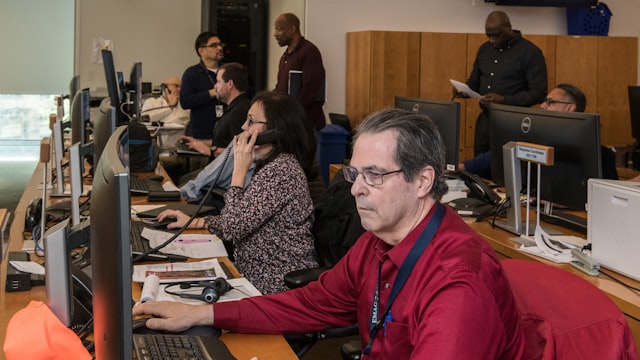
Teaching AI your chart of accounts so coding stops being guesswork
Why your own coding history is better training data than any template.
6 min read

Receipt capture that keeps up with the crew
Getting paper out of the truck and into the file on the day it is spent.
5 min read
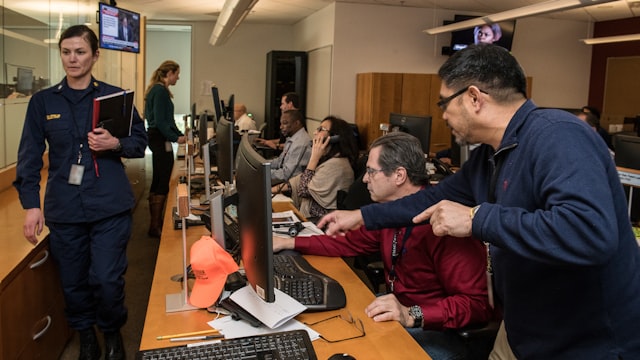
Keeping bank feeds clean without a weekly review session
What to automate in the feed, and what should always stop for a human.
7 min read
Case study
A trades contractor, from a year-end backlog to a current file.
A Canadian electrical contractor was handing its accountant a box of receipts each spring, with card charges nobody could identify months later. Within a quarter, receipts were captured on site, coding ran against the firm's own history in QuickBooks, and the office manager reviewed a short queue instead of rebuilding a year.
Representative engagement. Figures illustrative.
Why bookkeeping automation matters
The cost of books that are always a few weeks behind.
Same day
When a receipt reaches the file, once capture happens at the point of spend rather than at the end of the month.
Hours, not evenings
What the weekly bookkeeping session becomes once coding and capture stop being manual.
Fewer unknowns
Charges without a supporting document get chased while someone still remembers what they were for.
Figures are illustrative, drawn from general industry patterns, and not specific to any client engagement.
The cost of waiting
Falling behind on the books is cheap right up until it isn't.
Decisions made blind
You cannot read a job's margin, or your cash position, from a file that stops six weeks ago.
Credits quietly lost
Missing receipts and inconsistent GST/HST coding cost real money that nobody ever itemises.
The catch-up tax
Reconstructing a year takes far longer than keeping it, and your accountant bills for the difference.
Figures are illustrative and directional, not a forecast for any specific organization.
Bookkeeping Learn Hub
Reach a confident AI decision — without having to become the expert.
A working library for owners, office managers and in-house bookkeepers keeping the books for a business that sells something else. We skip the hype and answer the questions that actually move a decision: what to automate first, what it costs, what "good" looks like, and how to keep your bookkeeper and accountant on side.
Decide in a week, not a quarter
Short, plain-language answers so you can green-light a use-case with confidence.
Numbers you can take to the board
Benchmarks and cost models that drop straight into a leadership deck.
Get your team fluent
Guides and courses that make non-technical staff comfortable working with AI.
What's inside
Ready to stop rebuilding the year every spring?
A discovery call is 30 minutes. You'll leave with a clearer view of what to automate before the next quarter.